All About Jeju Island - Useful Background and Travel Tips
An overview of Jeju covering weather, culture, history and practical travel information.
Jeju Island is South Korea's largest island and a UNESCO World Heritage Site, known for its dramatic volcanic landscapes, rich cultural heritage, and stunning natural beauty. Located off the southern coast of Korea, this subtropical paradise offers a unique blend of natural wonders and traditional culture that attracts millions of visitors each year. From the towering peak of Hallasan Mountain to pristine beaches and ancient lava tubes, Jeju presents an unforgettable destination for travelers seeking both adventure and tranquility, whether exploring independently or with a local Jeju guide.
Jeju's Weather and Best Time to Visit
Jeju Island experiences four distinct seasons, each offering unique experiences and scenery. The island's subtropical climate means mild winters and warm, humid summers, making it a year-round destination with considerations for each season.
Spring (March to May)
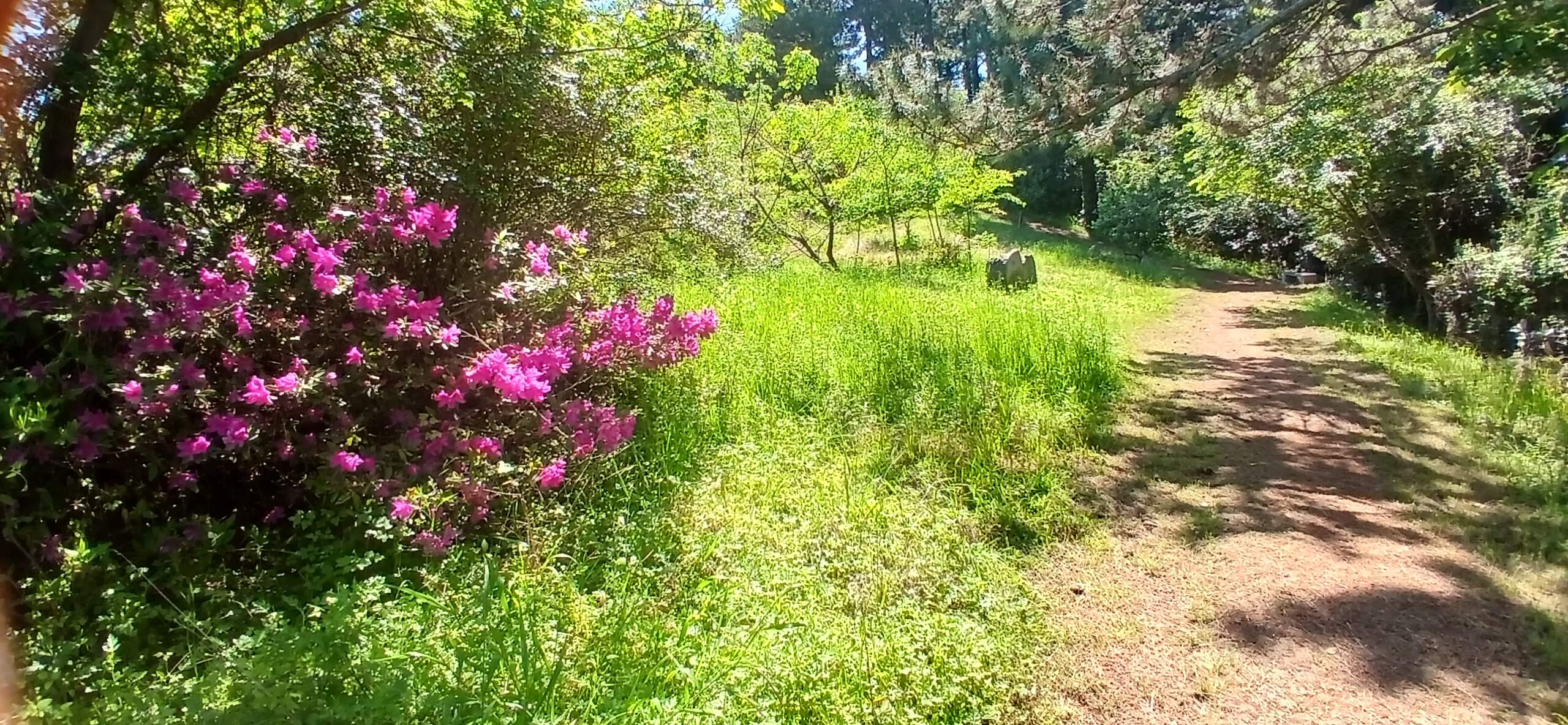
Spring is one of the most popular times to visit Jeju Island. Cherry blossoms bloom in early April, painting the island in delicate pink and white hues. Canola flowers create bright yellow carpets across fields, particularly around Seopjikoji. Temperatures range from 10°C to 18°C (50°F to 64°F), making it comfortable for hiking and outdoor activities. Pack layers including a light jacket for cooler mornings and evenings.
Summer (June to August)
Summer brings warm weather and occasional monsoon rains, particularly in July. Despite the humidity, this is peak beach season when Jeju's stunning coastline comes alive. Temperatures reach 25°C to 30°C (77°F to 86°F). The lush greenery is at its most vibrant, and waterfalls are at their most impressive flow. Pack light, breathable clothing, rain gear, and sun protection. Book accommodations well in advance as this is the busiest tourist season.
Autumn (September to November)
Many locals consider autumn the best time to visit Jeju Island. The weather is pleasant with temperatures between 15°C and 23°C (59°F to 73°F), and the humidity drops significantly. The island transforms with autumn colors - silver grass (eulalia) waves across hillsides, and maple leaves turn brilliant shades of red and gold. October offers the most stable weather conditions, ideal for hiking Hallasan and exploring coastal trails.
Winter (December to February)
Winter on Jeju is mild compared to mainland Korea, with temperatures rarely dropping below freezing at sea level. However, Hallasan Mountain receives snow, creating stunning winter landscapes and opportunities for snow hiking. Temperatures range from 5°C to 10°C (41°F to 50°F) in lower areas. Winter is the quietest season, offering a more peaceful experience and lower accommodation prices. Pack warm layers and waterproof outerwear for occasional rain.
History & Culture of Jeju Island
Jeju Island's history is as unique as its landscape. For centuries, the island developed independently from mainland Korea due to its geographical isolation, creating distinct cultural traditions and dialect that persist today.
Volcanic Origins and UNESCO Recognition
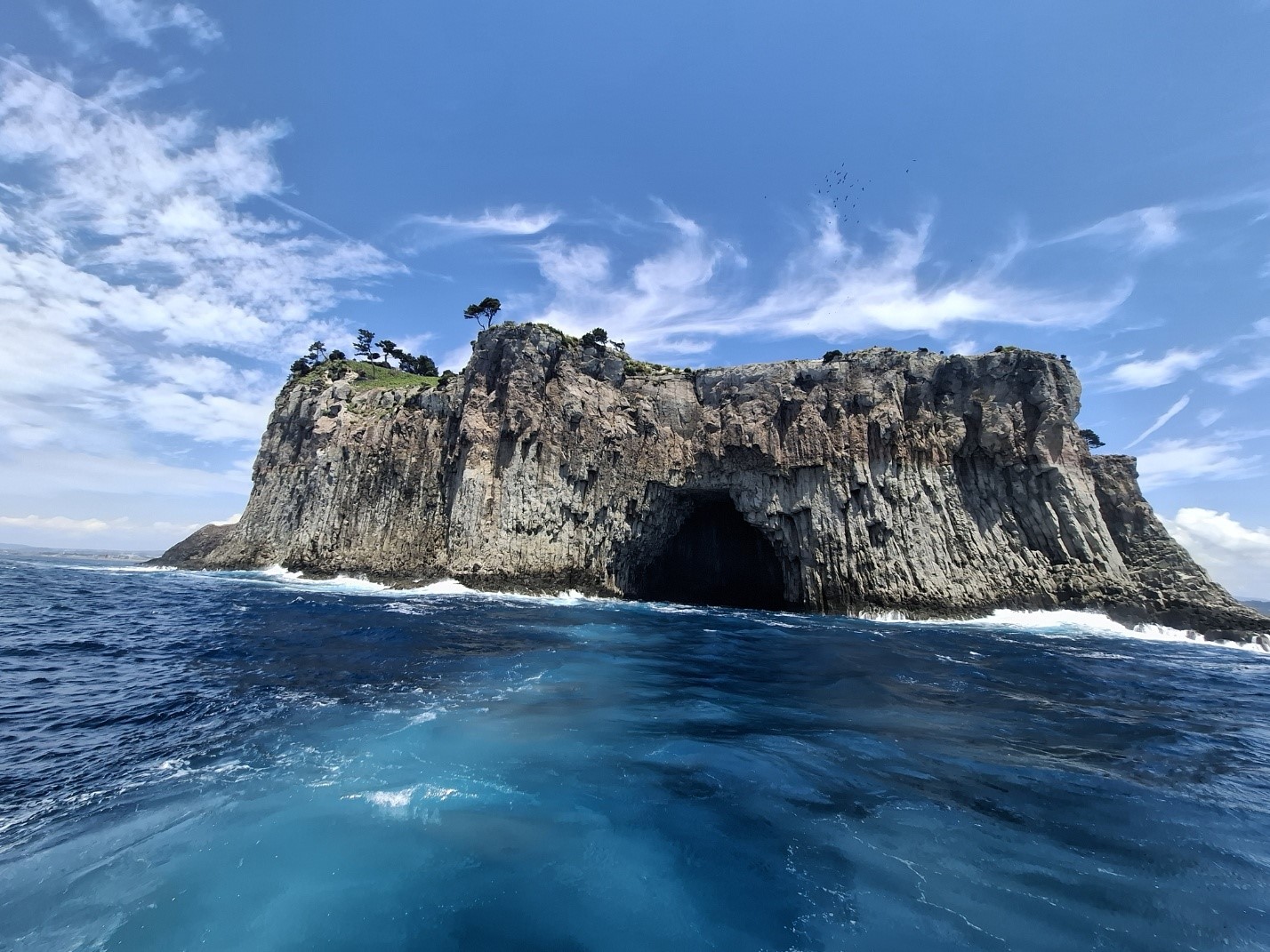
Jeju Island was formed entirely by volcanic activity over millions of years. Hallasan Mountain, a dormant volcano standing at 1,950 meters (6,398 feet), dominates the island's center. The island's volcanic heritage is so significant that UNESCO designated Jeju Volcanic Island and Lava Tubes as a World Heritage Site in 2007, recognizing its outstanding geological features including the Geomunoreum lava tube system and Seongsan Ilchulbong tuff cone.
The Haenyeo: Jeju's Women Divers
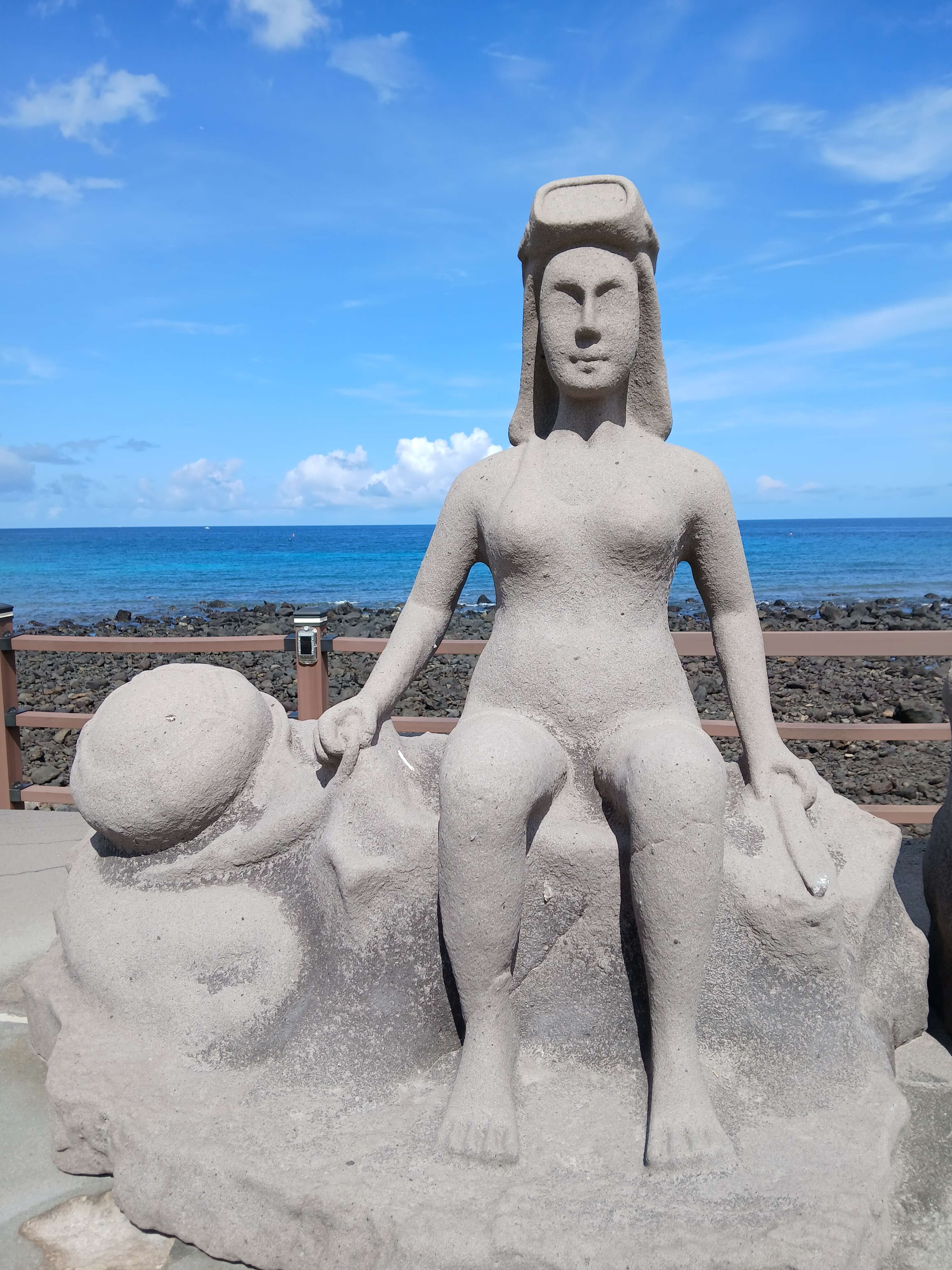
One of Jeju's most remarkable cultural traditions is the haenyeo - women free divers who harvest seafood from the ocean depths without breathing equipment. This practice dates back centuries and represents the island's matriarchal heritage where women were often the primary breadwinners. The haenyeo can dive up to 10 meters deep and hold their breath for over two minutes. In 2016, UNESCO inscribed "Culture of Jeju Haenyeo" on the Representative List of the Intangible Cultural Heritage of Humanity. Today, most haenyeo are elderly, and efforts are underway to preserve this unique cultural practice.
Traditional Jeju Architecture and Dolharubang
Traditional Jeju houses are built low to the ground with thick stone walls and thatched roofs to withstand the island's strong winds. The distinctive black volcanic stone walls that crisscross the island create a patchwork of fields and properties. Dolharubang, stone grandfather statues carved from volcanic rock, stand guard at village entrances and important sites. These iconic figures, with their bulging eyes and enigmatic expressions, have become symbols of Jeju Island and are believed to offer protection and bring fertility.
Shamanism and Spiritual Traditions
Jeju maintains strong shamanic traditions, with numerous shrines and sacred sites scattered across the island. The island is said to have 18,000 gods, and traditional gut (shamanic rituals) are still performed for various purposes including good harvests, safe voyages, and community wellbeing. This spiritual heritage coexists peacefully with Buddhism and modern life, adding depth to Jeju's cultural landscape.
Discover the Natural Beauty of Jeju
From volcanic landscapes to pristine coastlines, Jeju offers unforgettable experiences
Ready to book Jessica as your local English-speaking guide for your Jeju self-drive experience?
Jessica – Guide Only InquiryJeju Food: What to Expect
Jeju's cuisine reflects its volcanic terrain, surrounding seas, and unique climate. The island's food culture is characterized by simplicity and fresh ingredients that highlight natural flavors.
Jeju Black Pork (Heuk Dwaeji)
Jeju's most famous culinary export is its black pork, raised from a heritage breed indigenous to the island. The meat is known for its tender texture and rich flavor. Traditionally grilled over charcoal, it's typically served with fresh vegetables, garlic, and various dipping sauces. Black pork restaurants are abundant across Jeju, ranging from casual eateries to upscale dining establishments.
Fresh Seafood
Given its island location and haenyeo traditions, seafood is central to Jeju cuisine. Abalone (jeonbok), sea urchin, octopus, and various fish are prepared in numerous ways. Seafood hot pot (haemul jjigae) and raw fish (hoe) are popular preparations. Coastal restaurants often feature tanks where diners can select their seafood live, ensuring ultimate freshness.
Jeju Tangerines (Hallabong)
Jeju is Korea's primary citrus producer, with tangerines growing abundantly across the island. The Hallabong, a sweet and easy-to-peel variety, is particularly prized. During winter months, tangerine orchards welcome visitors for picking experiences. Tangerine products including chocolates, jams, and beverages make popular souvenirs.
Traditional Dishes
Unique Jeju specialties include gogi-guksu (meat noodle soup), made with pork broth and served in generous portions; jeonbok-juk (abalone porridge), a nutritious and delicate dish; and omegi-tteok, traditional rice cakes made with millet. These dishes reflect Jeju's agricultural history and resourceful food culture developed over centuries of relative isolation.
Practical Travel Tips for Jeju Island
Language
Korean is the primary language on Jeju, with a distinct local dialect that even mainland Koreans find challenging. English is spoken at major hotels and tourist sites, but less commonly elsewhere. Having a Korean-speaking guide or translation app is helpful for authentic local experiences. Restaurant menus at tourist areas often include English, but off the beaten path, visual menus or pointing may be necessary.
Currency and Payments
South Korean Won (KRW) is the currency. Credit cards are widely accepted at hotels, restaurants, and shops in tourist areas. However, smaller establishments and traditional markets prefer cash. ATMs are readily available in urban areas, and international cards work at machines marked with appropriate symbols. It's wise to carry some cash for markets, small restaurants, and rural areas.
Accommodation
Jeju offers accommodation ranging from luxury resorts to budget guesthouses. Jeju City and Seogwipo are the main urban centers with numerous hotel options. Many visitors prefer staying in these areas for convenience, though boutique hotels and pensions are scattered throughout the island. During peak seasons (July-August and holidays), advance booking is essential. Many accommodations can arrange tour pickups, making them convenient bases for daily excursions.
Internet and Connectivity
South Korea has excellent internet infrastructure, and Jeju is no exception. Free Wi-Fi is available at most accommodations, cafes, and tourist information centers. International visitors can rent pocket Wi-Fi devices at the airport for constant connectivity. Additionally, Jeju Free WiFi is available in many public places throughout the island. You can use online WiFi maps such as WiFi Map to locate free hotspots showing where public WiFi is available across Jeju.
Safety
Jeju Island is very safe for travelers. Crime rates are low, and locals are generally helpful to visitors. Normal travel precautions apply. When hiking or visiting coastal areas, heed warning signs and weather advisories. Some attractions close during adverse weather for visitor safety.
Jeju Olle Trails
The Jeju Olle Trail system consists of 27 hiking routes that circle the island, covering approximately 437 kilometers of coastline and countryside. These well-marked walking paths showcase Jeju's diverse landscapes from volcanic cliffs and sandy beaches to rural villages and forest paths. Each route (called an "Olle") takes 4-8 hours to complete and offers varying difficulty levels. The trails have become increasingly popular with both locals and visitors seeking to experience Jeju's natural beauty at a slower pace. Route markers feature blue and orange ribbons and Jeju ponies (called "Ganzi"), making navigation straightforward even for international hikers.
Driving on the Island
Many visitors rent cars to explore independently. Jeju's roads are well-maintained and driving is straightforward, though an International Driving Permit is required for foreign visitors. However, navigation can be challenging without Korean language skills, and parking at popular attractions can be difficult during peak seasons. Additionally, you may miss the valuable local knowledge and stories that enhance understanding of what you're seeing. This is why some visitors choose to use a local English-speaking guide to accompany them.
Jeju Public Transportation
Jeju's bus system connects major towns and some tourist attractions. While economical, buses require careful planning and may not align with optimal sightseeing schedules. The system is improving but remains primarily designed for residents rather than tourists.
Ready to book Jessica as your local English-speaking guide for your Jeju self-drive experience?
Jessica – Guide Only Inquiry